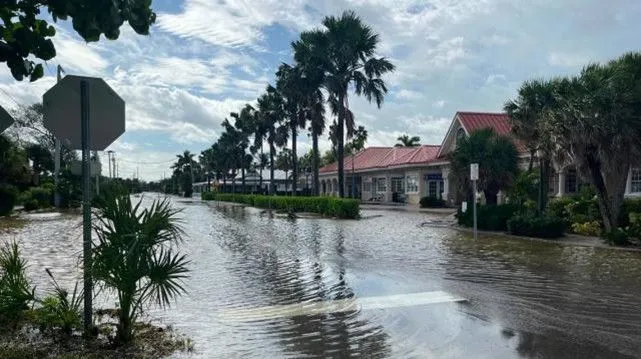
Subterranean termites are a significant concern for homeowners and businesses alike, with their ability to cause extensive damage to wooden structures. Protecting against these pests often involves the use of liquid barrier treatments or baiting systems strategically installed around properties. However, hurricanes and flooding present unique challenges to these protective measures.
The Effects of Hurricanes and Flooding on Termite Protection Systems
1. Disruption of Liquid Treatments: Liquid termite treatments are typically applied to the soil around a structure, creating a protective barrier that deters termites from entering. When flooding occurs, especially during hurricanes, this barrier can be compromised. Excessive water may dilute the treatment or wash it away entirely, reducing its effectiveness and leaving your property vulnerable to infestation.
2. Damage to Bait Stations: Termite baiting systems consist of strategically placed stations containing bait that termites find attractive. Flooding can submerge these stations, potentially damaging the stations and the bait or disrupting their distribution. Additionally, debris carried by floodwater can dislodge or bury the stations, making them inaccessible to termites or difficult to locate and service.
3. Impact of Salt Contamination: Hurricanes and flooding, particularly in coastal areas, often introduce saltwater into the soil. Salt contamination can significantly impact the effectiveness of termite bait stations. Subterranean termites avoid salt-contaminated areas because salt is toxic to them in high concentrations. If bait stations become saturated with saltwater, termites will not approach them, rendering these stations ineffective. Furthermore, saltwater exposure can corrode metal components or degrade certain materials used in bait stations, reducing their durability and functionality over time. This underscores the importance of inspecting and replacing any compromised bait stations after a flood.
4. Foundation-Specific Vulnerabilities: Flooding impacts termite protection differently depending on the type of foundation. Homes with crawl spaces may face increased moisture retention, creating ideal conditions for termites to thrive. Basements, especially those that flood, can lead to waterlogged wood and compromised structures, providing easier access points for termites. For slab foundations, shifting soil or sediment erosion can break the protective barrier created by liquid treatments, necessitating immediate reevaluation of termite protection systems.
5. Increased Termite Activity Post-Flood: Hurricanes and flooding often create moist conditions that are ideal for subterranean termites. As soil dries out, termites may become more active and search for new food sources. This increased activity can accelerate the risk of structural damage if protective systems are compromised.
6. Structural Concerns Beyond Protection Systems: Flooded wood can soften and weaken, making it more attractive to termites even after treatment. Saturated or water-damaged wooden structures, such as beams or flooring, can become easy targets for termite infestation. Addressing this damage promptly by drying and repairing affected areas is critical to maintaining the integrity of termite protection systems.
As the winds die down and the floodwaters recede, the aftermath of a hurricane often brings challenges that go beyond property damage
One of the biggest hidden threats after a storm is the surge of pests and rodents. Standing water and debris piles left in the storm’s wake create the perfect conditions for pests to thrive, leading to increased health risks and further damage to homes. Now more than ever, it’s essential to take action to protect your home and family from these unwanted invaders.
Why Pests and Rodents Become a Problem After a Hurricane
Several factors make post-hurricane environments ideal for pest infestations and rodent invasions:
Standing Water: Floodwaters leave pools of stagnant water around homes and neighborhoods. This water becomes a breeding ground for mosquitoes, which can spread diseases such as Zika virus, West Nile virus, and dengue fever. Without proper treatment, mosquitoes can multiply quickly, turning your yard into a hotbed of activity.
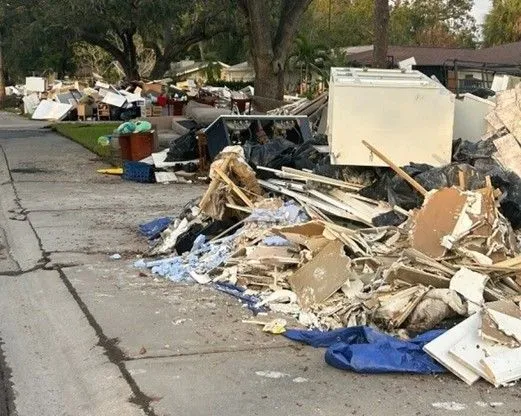
Debris Piles: Fallen trees, branches, and broken building materials create perfect hiding spots for rodents and other pests. Rats and mice, in particular, are displaced by the storm and seek new shelters—often finding their way into homes in search of food and warmth. Debris piles also attract pests like ants, spiders, and cockroaches, which can further damage your property and increase health risks.
Disrupted Habitats: Hurricanes destroy natural habitats for many creatures, forcing them into human-made structures. As floodwaters rise, rodents are displaced from their nests, making homes and garages attractive shelters. This migration increases the risk of rodent infestations that can carry diseases, chew through wires, and contaminate food sources.
Structural Damage: The storm’s impact can create openings in roofs, windows, and foundations, making it easier for pests and rodents to enter your home. These cracks and gaps allow unwanted visitors to slip inside unnoticed, where they can cause significant damage and spread disease.
The Dangers Posed by Post-Storm Infestations
After a hurricane, it’s not just your property that’s at risk, your health could be in jeopardy too. Here’s how pests and rodents can pose serious dangers:
Mosquitoes: Standing water provides ideal breeding conditions for mosquitoes, which are notorious for carrying diseases like Zika and West Nile virus. With the increase in stagnant water after a storm, mosquito populations can spike rapidly, increasing the chances of being bitten and exposed to dangerous viruses.
Rodents: Rats and mice can spread diseases such as leptospirosis, hantavirus, and salmonella. Their urine, droppings, and nesting materials can contaminate food and surfaces, posing a serious health risk. Rodents are also destructive—they chew through electrical wires, insulation, and wood, potentially causing fires and structural damage.
Flies: With floodwater, spoiled food, and debris piles, flies breed and spread rapidly after a hurricane. They carry bacteria that can lead to food poisoning, diarrhea, and other infections, especially when food is left out or garbage accumulates.
Termites: Storm-damaged homes can attract termites, which feed on weakened wood. If left unchecked, termites can exacerbate structural damage and cause costly repairs.
Ants and Fire Ants: Flooding forces ants, including fire ants, to relocate. These aggressive insects often form floating masses that can survive for weeks in floodwaters. Fire ant stings are painful and can cause serious allergic reactions in some individuals.
The Importance of Taking Immediate Action
In the wake of a hurricane, it’s easy to focus on visible damage—fallen trees, broken windows, and flooded homes. But overlooking pest and rodent problems can lead to more significant issues down the road. Infestations can grow quickly, compounding the challenges you’re already facing during recovery. It’s essential to act swiftly to prevent these problems from escalating.
What Can You Do to Protect Your Home?
While it’s tempting to take matters into your own hands, professional help is often the most effective solution after a hurricane. Pestguard is here to assist you with expert advice and fast, effective pest control services to safeguard your home from the hidden dangers of post-storm infestations.
Here’s how Pestguard can help you reclaim your home:
Comprehensive Mosquito Control: Standing water left by the storm can quickly become a breeding ground for mosquitoes. Our mosquito control services target these breeding areas, using professional-grade treatments that stop mosquitoes before they become a bigger problem.
Rodent Exclusion and Trapping: Storm damage can create easy entry points for rodents. Pestguard specializes in rodent exclusion, sealing off your home to prevent rats and mice from getting inside. We also offer humane trapping services to remove rodents that may already have entered your property.
Debris and Cleanup Support: Debris piles are a magnet for pests. As part of our service, we can advise you on how to clear debris safely and prevent infestations from occurring. Our team will assess vulnerable areas around your home and provide recommendations on reducing pest attractants.
Structural Repairs: Broken windows, damaged roofs, and foundation cracks are all opportunities for pests and rodents to invade. Pestguard partners with local professionals to help secure your home, ensuring that all potential entry points are sealed.
Termite and Ant Control: Damaged wood and flooding can lead to increased termite activity and ant invasions. Our experts can inspect your home for signs of termites and other wood-destroying pests, providing treatments that protect your property from further damage.
Disrupted Habitats: Hurricanes destroy natural habitats for many creatures, forcing them into human-made structures. As floodwaters rise, rodents are displaced from their nests, making homes and garages attractive shelters. This migration increases the risk of rodent infestations that can carry diseases, chew through wires, and contaminate food sources.
Structural Damage: The storm’s impact can create openings in roofs, windows, and foundations, making it easier for pests and rodents to enter your home. These cracks and gaps allow unwanted visitors to slip inside unnoticed, where they can cause significant damage and spread disease.
The Dangers Posed by Post-Storm Infestations
After a hurricane, it’s not just your property that’s at risk, your health could be in jeopardy too. Here’s how pests and rodents can pose serious dangers:
Mosquitoes: Standing water provides ideal breeding conditions for mosquitoes, which are notorious for carrying diseases like Zika and West Nile virus. With the increase in stagnant water after a storm, mosquito populations can spike rapidly, increasing the chances of being bitten and exposed to dangerous viruses.
Rodents: Rats and mice can spread diseases such as leptospirosis, hantavirus, and salmonella. Their urine, droppings, and nesting materials can contaminate food and surfaces, posing a serious health risk. Rodents are also destructive—they chew through electrical wires, insulation, and wood, potentially causing fires and structural damage.
Flies: With floodwater, spoiled food, and debris piles, flies breed and spread rapidly after a hurricane. They carry bacteria that can lead to food poisoning, diarrhea, and other infections, especially when food is left out or garbage accumulates.
Termites: Storm-damaged homes can attract termites, which feed on weakened wood. If left unchecked, termites can exacerbate structural damage and cause costly repairs.
Ants and Fire Ants: Flooding forces ants, including fire ants, to relocate. These aggressive insects often form floating masses that can survive for weeks in floodwaters. Fire ant stings are painful and can cause serious allergic reactions in some individuals.
The Importance of Taking Immediate Action
In the wake of a hurricane, it’s easy to focus on visible damage—fallen trees, broken windows, and flooded homes. But overlooking pest and rodent problems can lead to more significant issues down the road. Infestations can grow quickly, compounding the challenges you’re already facing during recovery. It’s essential to act swiftly to prevent these problems from escalating.
What Can You Do to Protect Your Home?
While it’s tempting to take matters into your own hands, professional help is often the most effective solution after a hurricane. Pestguard is here to assist you with expert advice and fast, effective pest control services to safeguard your home from the hidden dangers of post-storm infestations.
Here’s how Pestguard can help you reclaim your home:
Comprehensive Mosquito Control: Standing water left by the storm can quickly become a breeding ground for mosquitoes. Our mosquito control services target these breeding areas, using professional-grade treatments that stop mosquitoes before they become a bigger problem.
Rodent Exclusion and Trapping: Storm damage can create easy entry points for rodents. Pestguard specializes in rodent exclusion, sealing off your home to prevent rats and mice from getting inside. We also offer humane trapping services to remove rodents that may already have entered your property.
Debris and Cleanup Support: Debris piles are a magnet for pests. As part of our service, we can advise you on how to clear debris safely and prevent infestations from occurring. Our team will assess vulnerable areas around your home and provide recommendations on reducing pest attractants.
Structural Repairs: Broken windows, damaged roofs, and foundation cracks are all opportunities for pests and rodents to invade. Pestguard partners with local professionals to help secure your home, ensuring that all potential entry points are sealed.
Termite and Ant Control: Damaged wood and flooding can lead to increased termite activity and ant invasions. Our experts can inspect your home for signs of termites and other wood-destroying pests, providing treatments that protect your property from further damage.
Secure Your Home with Pestguard
After a hurricane, you’ve got enough on your plate—don’t let pests and rodents add to your worries. With Pestguard, you can get fast, professional help to eliminate post-storm infestations and protect your home from further damage. Our team is experienced in handling the unique challenges that come with hurricane recovery, and we’re ready to help you get back on your feet.
Don’t wait for pests and rodents to take over your home. Call Pestguard today at 941-358-3863 or visit pestguardtermite.com to schedule a post-storm pest inspection and learn more about our comprehensive pest control solutions. Protect your home, your family, and your health—let Pestguard be your partner in recovery!
After a hurricane, you’ve got enough on your plate—don’t let pests and rodents add to your worries. With Pestguard, you can get fast, professional help to eliminate post-storm infestations and protect your home from further damage. Our team is experienced in handling the unique challenges that come with hurricane recovery, and we’re ready to help you get back on your feet.
Don’t wait for pests and rodents to take over your home. Call Pestguard today at 941-358-3863 or visit pestguardtermite.com to schedule a post-storm pest inspection and learn more about our comprehensive pest control solutions. Protect your home, your family, and your health—let Pestguard be your partner in recovery!
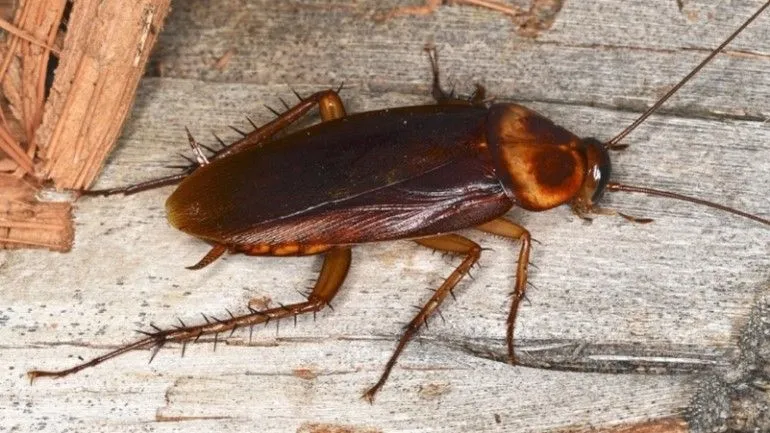
Palmetto bugs, a common name for the American cockroach, are an inevitable part of life in Florida
These large, reddish-brown insects thrive in warm, humid environments and are notorious for their unwanted appearances in homes and businesses, especially after periods of heavy rain. While many Floridians are familiar with these pests, it’s important to understand how weather patterns, particularly excessive rainfall, affect their behavior and what can be done to keep them under control.
Why Do Palmetto Bugs Become More Active After Rain?
Palmetto bugs prefer moist, dark environments and typically live outdoors, but when heavy rains hit, their natural habitats—such as mulch beds, decaying plant matter, and storm drains—become waterlogged. The excess moisture forces them out of their hiding spots, often into homes, garages, and other dry areas.
Residual Puddling: After a storm, water often collects in low-lying areas, creating residual puddles. These puddles provide a breeding ground for palmetto bugs, offering both moisture and potential food sources. Additionally, standing water can make drainage systems more appealing to these pests, providing them with easy access points into homes.
What to Expect After Heavy Rain
Increased Sightings Indoors: As palmetto bugs are displaced by rainwater, they often seek refuge in dry, sheltered areas—meaning your home. You may notice more sightings in bathrooms, kitchens, and basements where water and food sources are readily available.
Higher Population Growth: The combination of moisture and food sources from residual puddling can accelerate the reproduction of palmetto bugs. Their eggs hatch faster in humid conditions, leading to a rapid increase in their numbers.
Odor and Allergy Concerns: Palmetto bugs can carry bacteria and produce a musty odor that permeates homes where infestations are present. Some people are also allergic to the allergens they spread, which can aggravate conditions like asthma.
How to Prevent Palmetto Bug Infestations After Rain
While the weather is out of your control, there are steps you can take to reduce the chances of a palmetto bug invasion after heavy rain:
Eliminate Standing Water: Make sure gutters are clean and direct water away from your home. Eliminate any standing water in your yard by filling in low spots where puddles collect. Pay attention to areas around air conditioning units and outdoor faucets where water can accumulate.
Seal Entry Points: Inspect your home for cracks, holes, and gaps around windows, doors, and pipes. Use caulking or weather stripping to seal these areas to prevent bugs from entering.
Keep Your Home Dry: Use dehumidifiers and proper ventilation in damp areas of your home like basements, bathrooms, and laundry rooms. Keeping these areas dry makes them less attractive to palmetto bugs.
Regular Pest Control Services: Hiring a professional pest control service, like Pestguard, ensures that palmetto bugs don’t stand a chance. Treatments can help create a barrier around your home to keep these pests out, even after heavy rain.
Mosquitoes are more than just a summertime annoyance. They are vectors for diseases such as West Nile virus, Zika virus, dengue fever, and even malaria in some parts of the world. These diseases can have severe consequences, particularly for children, the elderly, and those with compromised immune systems. Therefore, controlling the mosquito population around your home isn’t just about comfort; it’s about safeguarding the health and well-being of those you care about.
Mosquitoes are adept at finding breeding spots, often in areas that we may overlook. Common places include standing water in birdbaths, gutters, planters, and even small puddles. A single mosquito can lay hundreds of eggs in a tiny amount of water, leading to a rapid increase in the mosquito population. Without intervention, what starts as a minor inconvenience can quickly become a significant infestation.
In addition to the health risks, a high mosquito population can significantly reduce your ability to enjoy your outdoor spaces. Gardens, patios, and swimming pools—areas meant for relaxation and fun—can become unusable if mosquitoes are prevalent. The constant need to swat away insects or apply bug repellent detracts from the enjoyment of being outside. This is why taking proactive steps to control mosquitoes around your home is not only a smart decision but a necessary one.
Advanced Mosquito Control with the MistAway Gen III System
At Pestguard, we are committed to providing our customers with the most effective and innovative solutions for mosquito control. One of our flagship products is the MistAway Gen III Tankless Mosquito Misting System, a cutting-edge approach to keeping mosquitoes at bay. This system is not only effective but also user-friendly and environmentally conscious, making it a top choice for homeowners who want to enjoy their outdoor spaces without the constant hassle of mosquitoes.
Key Features of the MistAway Gen III System
Tankless Design for On-Demand Freshness
The MistAway Gen III system is tankless, which means it does not rely on a large reservoir of pre-mixed insecticide. Instead, the system mixes the insecticide on demand, right before each misting cycle. This ensures that the solution is always fresh and potent, maximizing its effectiveness against mosquitoes. Traditional tank systems can lose potency over time as the mixture sits, but with the Gen III, you can be confident that each spray is as effective as the first.
Smart Technology Integration
In today’s world, convenience and control are key. The MistAway Gen III system is equipped with smart technology, allowing you to manage the misting schedule via a mobile app. This means you can easily adjust the timing, frequency, and duration of misting cycles based on your specific needs. Whether you’re hosting a party and want to increase misting beforehand or adjusting the settings while on vacation, the system provides complete control at your fingertips.
Customizable Nozzle Placement
The effectiveness of any mosquito control system depends on strategic placement. The MistAway Gen III system allows for customizable nozzle placement around your property. Our team will work with you to identify high-risk areas where mosquitoes are likely to breed and rest, such as dense foliage, shaded areas, and near water features. By creating a tailored perimeter of protection, the system targets mosquitoes where they’re most vulnerable, drastically reducing their presence in your outdoor spaces.
Low Maintenance, High Impact
The MistAway Gen III is designed with busy homeowners in mind. The system requires minimal maintenance, with self-diagnostic features that alert you if there’s a need for service. The unit is also discreet, blending into your landscape without drawing attention, so you can focus on enjoying your yard rather than worrying about mosquito control.
The In2Care Baiting System: A Targeted, Eco-Friendly Approach
While the MistAway Gen III system provides excellent coverage and control, we also offer the In2Care Baiting System for homeowners seeking an additional or alternative method. The In2Care system is particularly effective in areas with dense mosquito populations or where water sources are prevalent.
How the In2Care Baiting System Works
Dual-Action Control
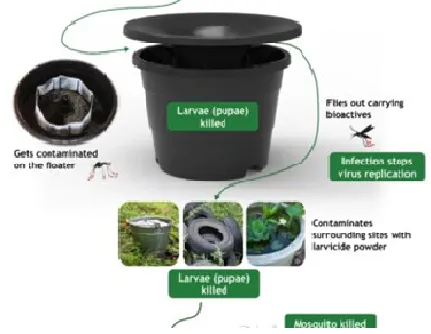
The In2Care system is a baiting solution that targets mosquitoes at multiple stages of their lifecycle. The system works by luring female mosquitoes—those responsible for laying eggs—into a specially designed bait station. Inside the station, mosquitoes encounter a larvicide, which they carry back to their breeding sites. This innovative approach ensures that not only are adult mosquitoes affected, but their larvae are also eliminated before they have a chance to mature.
Environmentally Conscious Design
For homeowners who are concerned about the environmental impact of pest control, the In2Care system offers a sustainable solution. The baiting stations are designed to be safe for non-target species such as bees, butterflies, and other beneficial insects. The larvicide used in the system specifically targets mosquitoes, minimizing any potential harm to the surrounding ecosystem. This makes In2Care an excellent choice for those who want to protect their outdoor spaces without compromising on environmental values.
Proactive Mosquito Management
The In2Care system provides long-term mosquito management by interrupting the mosquito breeding cycle. By reducing the number of larvae that develop into adult mosquitoes, the system lowers the overall mosquito population over time. This proactive approach is ideal for maintaining a comfortable and safe outdoor environment throughout the mosquito season.
Why Choose Pestguard for Mosquito Control?
At Pestguard, we understand the importance of creating a safe and enjoyable environment for you and your family. Our mosquito control solutions are designed to be effective, convenient, and tailored to your specific needs. Whether you prefer the high-tech capabilities of the MistAway Gen III system or the eco-friendly approach of the In2Care baiting system, we have the expertise and products to keep your home mosquito-free.
Professional Installation and Support
Our team of experienced technicians will work with you to determine the best mosquito control strategy for your property. We provide professional installation services to ensure that your system is set up correctly and functions at peak efficiency. Additionally, we offer ongoing support and maintenance services, so you can rest assured that your mosquito control system will continue to protect your home season after season.
Customer Satisfaction Guaranteed
We take pride in the quality of our products and services. Customer satisfaction is our top priority, and we’re committed to delivering results that exceed your expectations. When you choose Pestguard, you’re not just investing in a product; you’re investing in peace of mind.
Act Today!
Don’t let mosquitoes dictate how you enjoy your outdoor spaces this summer. Contact us today to learn more about our mosquito control solutions and schedule a consultation. Together, we can create a mosquito-free environment that allows you to fully embrace the joys of outdoor living.
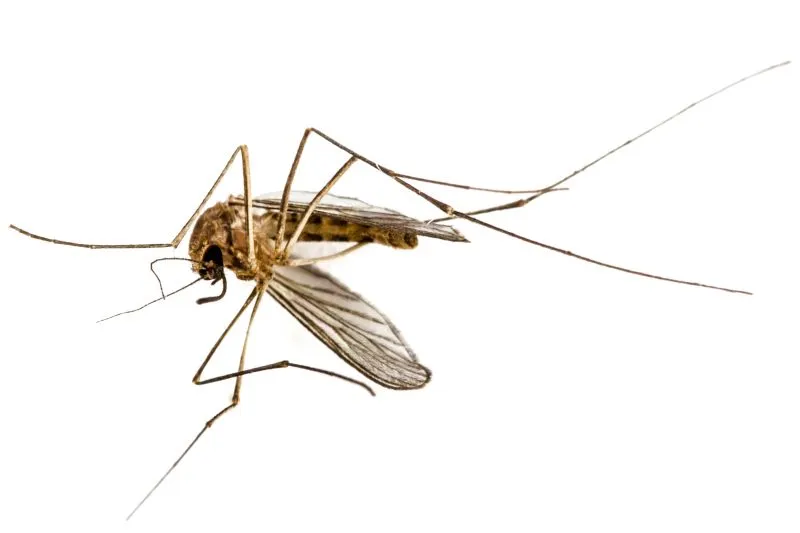
Mosquitoes, notorious for their ability to spread diseases like malaria, dengue, and Zika, are highly adaptable insects that thrive in various environments. Understanding where mosquitoes harbor is crucial for effective control and prevention efforts.
Mosquitoes are most commonly found in areas with standing water, as this is where they lay their eggs. Stagnant water in ponds, marshes, or even small containers like flower pots, birdbaths, and clogged gutters can become prime breeding grounds. These insects are also attracted to natural water sources such as lakes, rivers, and swamps, where they can breed and find shelter.
Beyond water, mosquitoes seek out shady, humid areas to rest during the day. Dense vegetation, tall grasses, and bushes provide the ideal hiding spots, offering protection from the wind and predators. In urban environments, mosquitoes often harbor in places like under decks, in sheds, and around yard debris where moisture accumulates.
Mosquitoes are also known to take refuge in human-made structures, such as abandoned tires, rain barrels, and even inside homes, particularly in dark, damp areas like basements and bathrooms. Reducing mosquito populations involves eliminating these harboring areas by draining standing water, maintaining clean and well-trimmed yards, and ensuring homes are sealed to prevent entry.
By addressing these key harboring areas, we can significantly reduce mosquito populations and minimize the risks they pose to human health.